
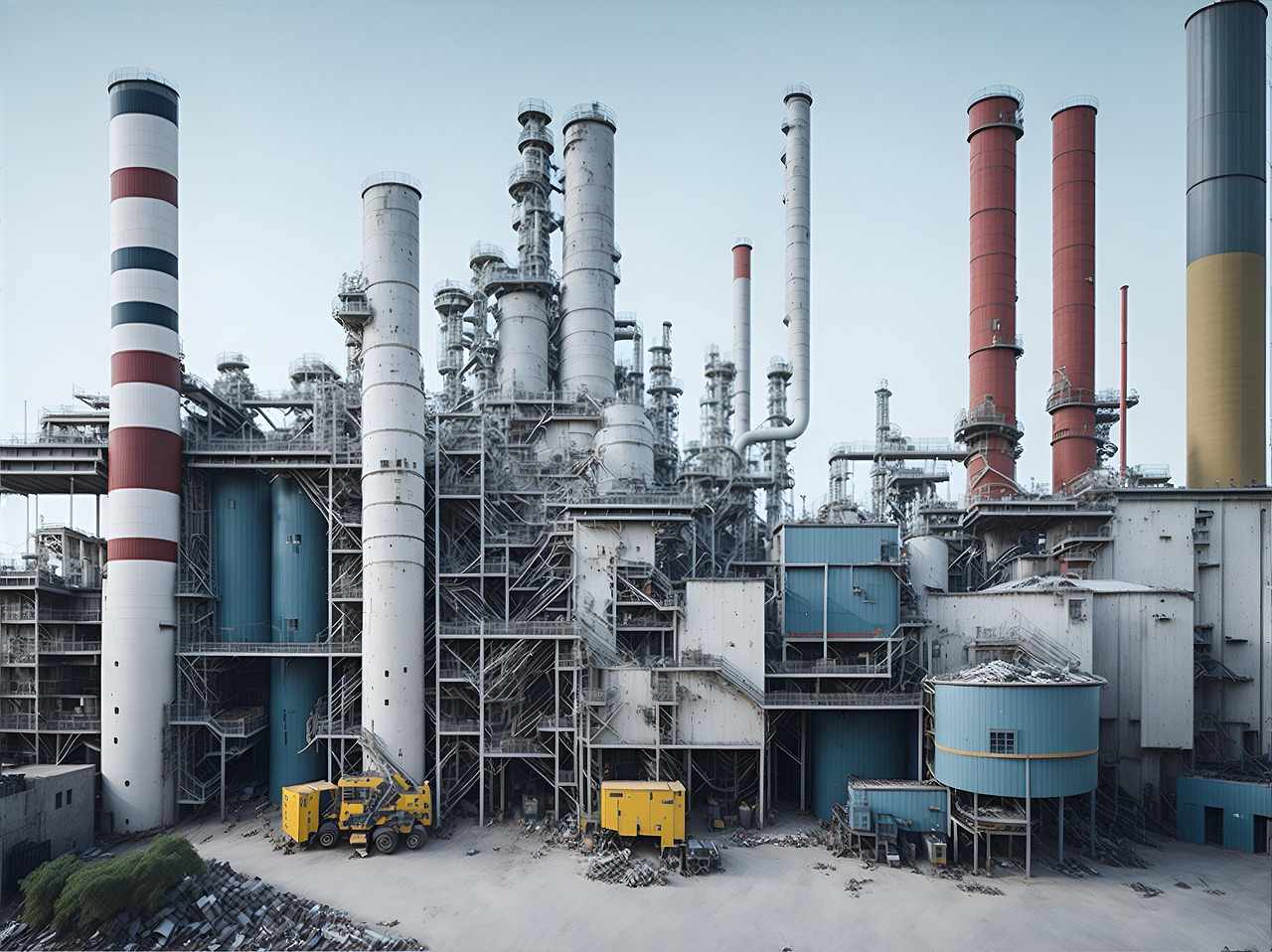
In demanding industrial sectors such as oil & gas, petrochemicals, and chemical processing, ensuring safe and leak-proof isolation is critical. A corrosion resistant DBB valve (Double Block and Bleed valve) is specifically engineered to deliver superior performance in aggressive environments where standard valves may fail. These valves combine advanced sealing technology with corrosion-resistant materials to provide reliable operation, long service life, and enhanced safety.
As industries continue to operate under extreme conditions involving high pressure, temperature fluctuations, and corrosive media, the demand for durable and efficient valve solutions has significantly increased. This is where corrosion resistant DBB valves play a vital role in modern industrial infrastructure.
What is a Corrosion Resistant DBB Valve?
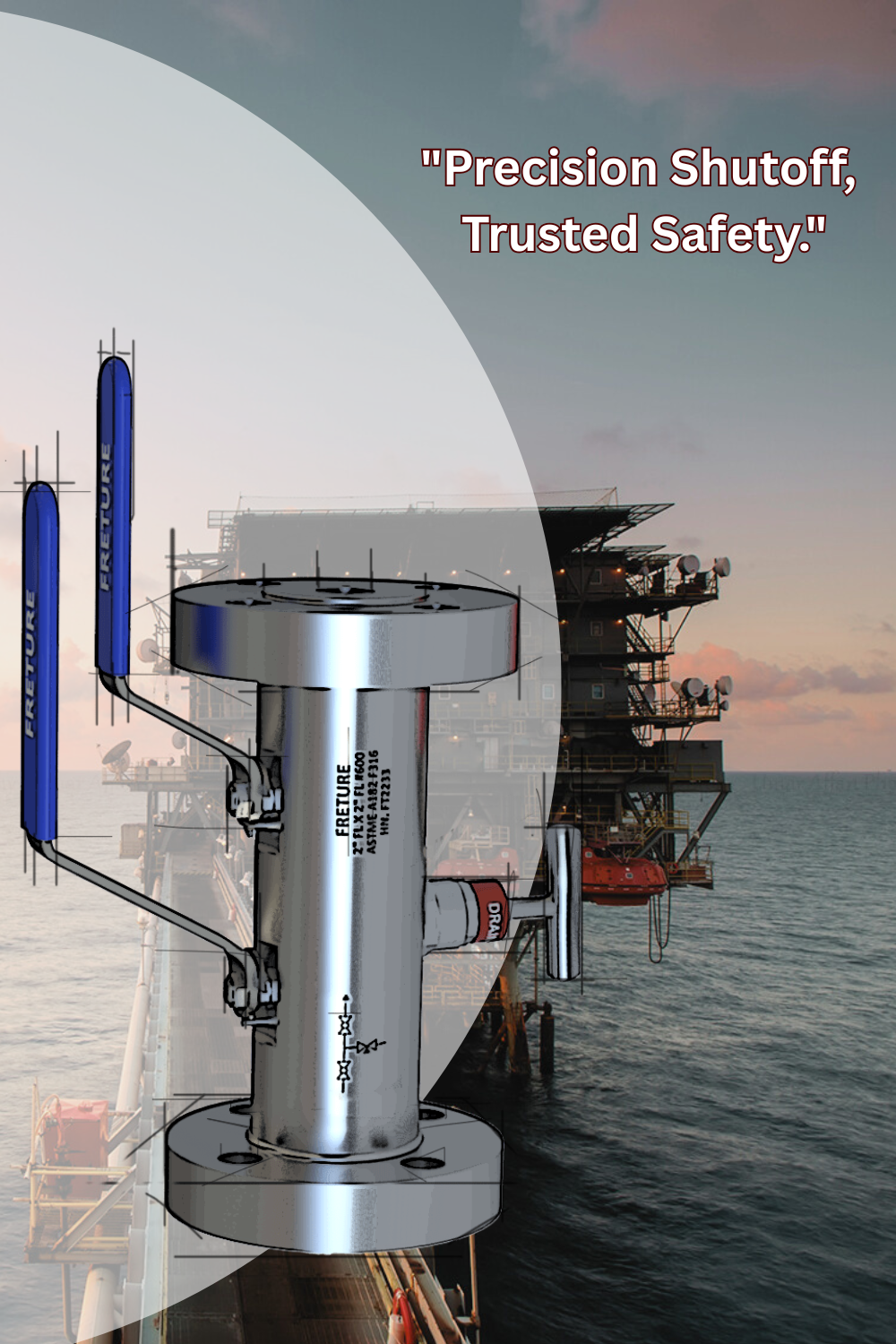
A corrosion resistant DBB valve is a specialized valve designed to provide double isolation with a bleed function in a single unit. It features two sealing surfaces that block flow from both sides, along with a bleed port that allows safe release of trapped pressure between the seals.
What sets this valve apart is its ability to withstand corrosive fluids such as acids, seawater, and chemicals. Unlike conventional valves, corrosion resistant DBB valves are manufactured using materials and coatings that prevent degradation, ensuring consistent performance even in harsh environments.
Importance of Corrosion Resistance in DBB Valves
In industries like oil & gas and chemical processing, valves are frequently exposed to highly corrosive substances. Without proper resistance, corrosion can lead to leakage, system failure, and costly downtime.
Corrosion resistance is essential for:
Preventing internal and external material degradation
Maintaining sealing integrity under aggressive conditions
Extending equipment lifespan
Ensuring safety in hazardous operations
For offshore applications, where exposure to saltwater and humidity is constant, corrosion resistant DBB valves become even more critical. They help maintain operational reliability and reduce the risk of environmental hazards.
Key Features and Design Advantages
Modern corrosion resistant DBB valves are designed with advanced features to meet industry demands:
Double Block and Bleed Function: Provides secure isolation and pressure release for safe maintenance
Leak-Proof Sealing: High-performance sealing ensures zero leakage
Corrosion-Resistant Materials: Common materials include stainless steel, duplex steel, and high-alloy metals
Fire-Safe Design: Maintains functionality even during fire incidents
Anti-Blowout Stem: Enhances operational safety under high pressure
These features make DBB valves highly efficient for critical applications requiring precision and reliability.
Applications in Industrial Sectors
Corrosion resistant DBB valves are widely used across multiple industries due to their durability and performance:
Oil & Gas Industry
Used in upstream, midstream, and downstream operations for pipeline isolation and pressure control.
Petrochemical Plants
Ideal for handling aggressive chemicals and ensuring safe process flow.
Chemical Processing Industries
Used in reactors and pipelines where corrosive substances are common.
Offshore Platforms
Provide reliable performance in marine environments exposed to saltwater and harsh weather conditions.
Material Selection and Manufacturing Standards
The effectiveness of a corrosion resistant DBB valve largely depends on its material composition. High-quality materials such as stainless steel, duplex alloys, and Inconel are commonly used to enhance corrosion resistance and mechanical strength.
In addition to material selection, adherence to international standards such as API and ASME ensures product quality and performance. These standards define strict guidelines for design, testing, and manufacturing, making them essential for industrial applications.
Benefits of Using Corrosion Resistant DBB Valves
Investing in corrosion resistant DBB valves offers several long-term advantages:
Enhanced Safety: Minimizes risk of leaks and system failures
Reduced Maintenance Costs: Less frequent repairs due to durable materials
Extended Service Life: High resistance to wear and corrosion
Improved Efficiency: Reliable operation ensures smooth industrial processes
These benefits make them a preferred choice for industries seeking high-performance valve solutions.
Conclusion
A corrosion resistant DBB valve is an essential component for industries operating in harsh and corrosive environments. Its ability to provide secure isolation, resist material degradation, and ensure long-term reliability makes it a valuable investment for oil & gas, petrochemical, and chemical sectors. By choosing high-quality DBB valves designed to meet international standards, industries can significantly enhance safety, efficiency, and operational performance.

Write a comment ...